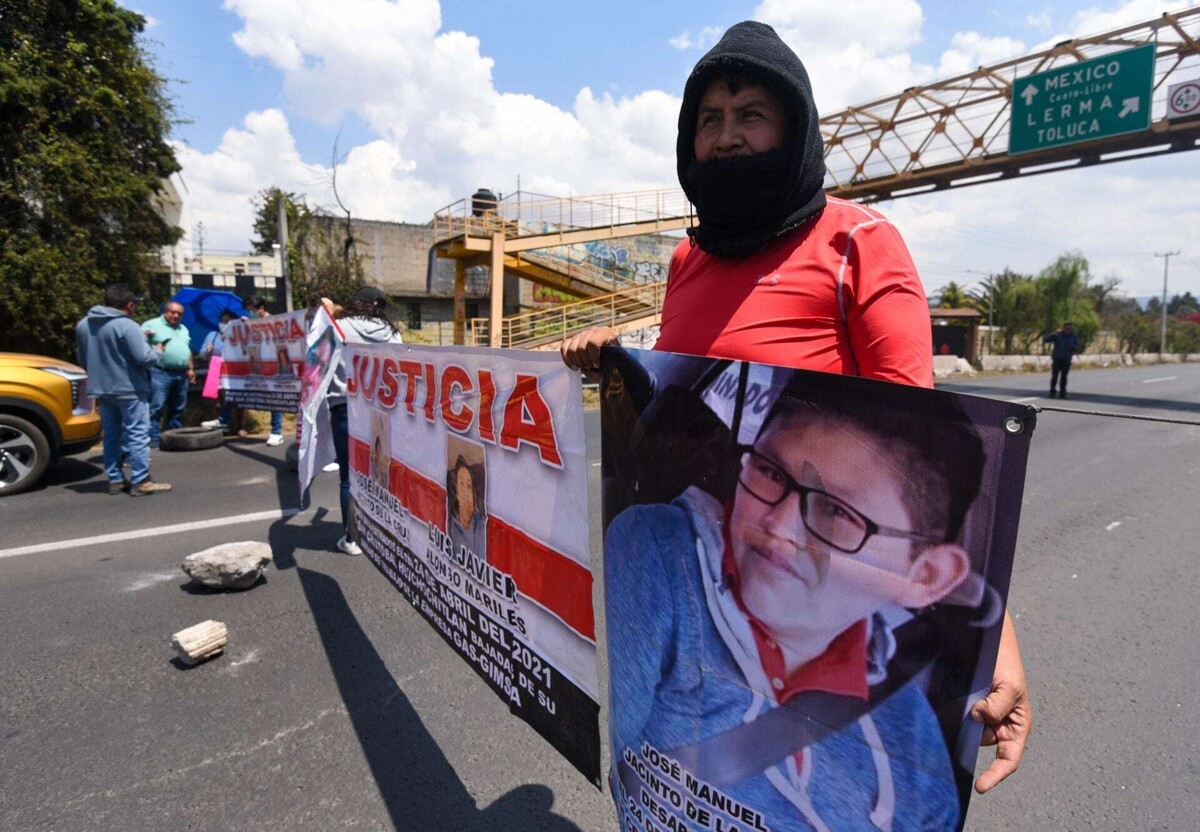
The crisis of missing persons in Mexico City continues to worsen, with a sustained increase in cases during the first months of the year, especially among young women, which reveals failures in the mechanisms of care, search, and prevention. According to recent official figures, between January and March 2026, 242 missing persons have been registered in the capital, which could represent a 57% increase compared to the same period of the previous year if the trend continues.
Young women, the most vulnerable
One of the most alarming data points is the increase in the disappearance of women. In the first quarter of the year, cases went from 49 to 99, which means they practically doubled. Particularly serious is the situation of adolescents between 15 and 19 years old, where disappearances increased by 350%, going from 16 to 72 victims. This phenomenon reflects a worrying vulnerability in this population group.
Boroughs with the highest risk
The demarcations that concentrate the highest number of cases are:
- Iztapalapa
- Gustavo A. Madero
Both areas have been identified as red zones, especially for women, given the rise in disappearances.
CDMX leads the country in cases
According to the "Criminal Incidence and Some Anomalies, January-August 2025" report by Causa en Común, the country's capital ranks first in the number of disappearances, followed by entities like the State of Mexico, Sinaloa, and Baja California. Nationally, the federal government has reported more than 130,000 missing persons since 2006, a figure that reflects the magnitude of the crisis and the lack of effective results in locating victims.
Institutional failures and demand for change
Specialists and political actors agree that there is a structural weakness in the protocols for assisting victims, as well as coordination problems between the authorities in charge of the search and security. Among the institutions cited are the local Search Commission for Persons, the capital's Prosecutor's Office, the Citizen Security Secretariat, and the C5 video surveillance system, which require urgent adjustments to their strategies.
Furthermore, it is warned that the advance of organized crime and the lack of results in security matters have contributed to the increase in disappearances, while the concern of relatives persists due to the lack of information about the whereabouts of the victims.
Call to reinforce victim assistance
In this context, the PAN deputy, Laura Álvarez, urged the restructuring of the victim assistance scheme for disappearances in the capital. The legislator warned that the city is facing a crisis that cannot continue and called for strengthening coordination between authorities, improving search protocols, and prioritizing assistance to affected families. She also criticized that while cases are increasing, effective actions are not being implemented to stop the problem or guarantee the security of the population.